

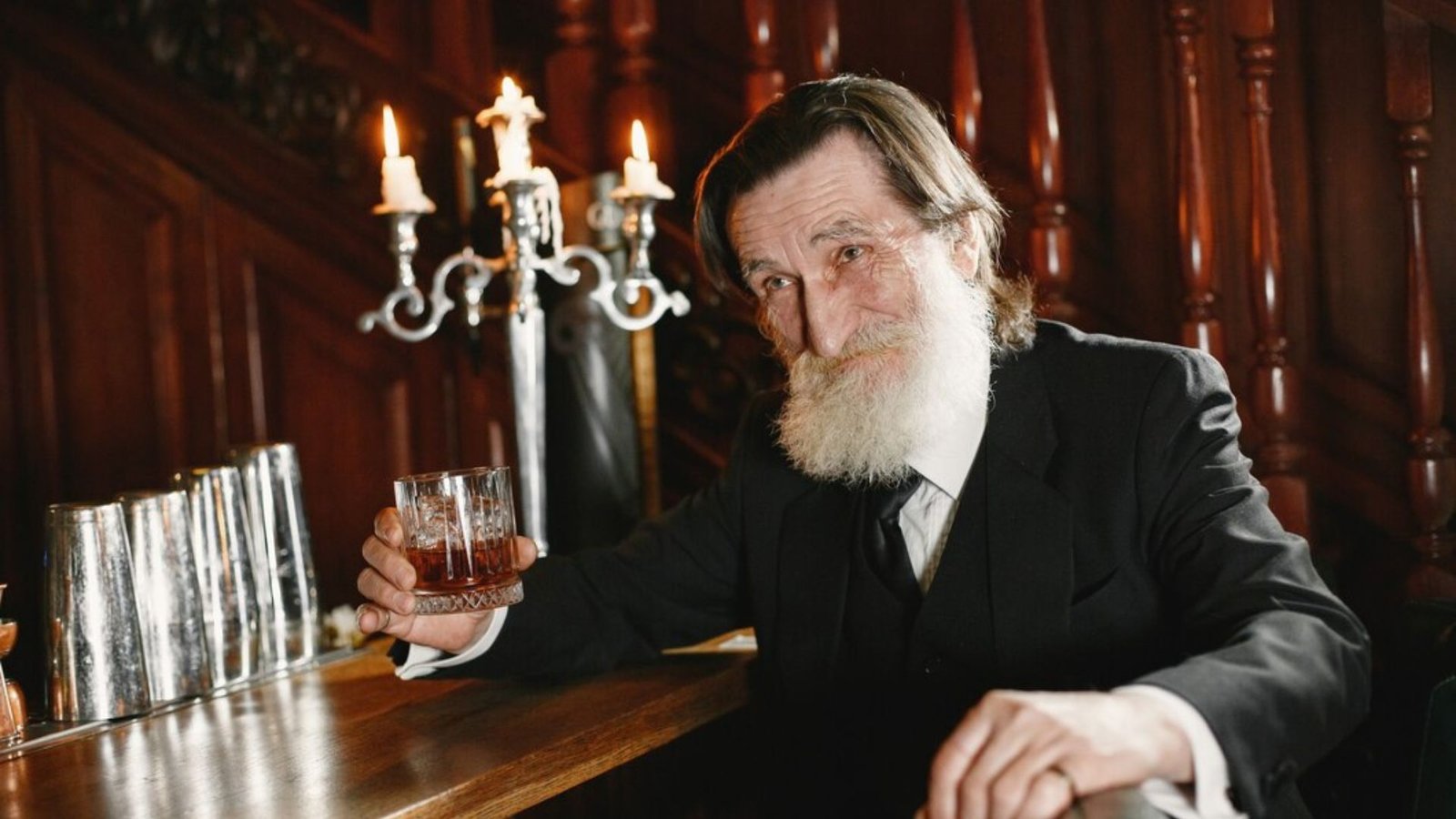
The phrase boston brahmin types names a tight, historic social circle: Boston’s old-money Protestant elite. People use it to point to certain families, manners, and institutions that steered New England culture from the colonial era through the 20th century. The term came from a wry literary comparison — likening Boston’s elite to India’s priestly Brahmin caste — and stuck because the group it described really did behave like a self-contained social caste: intermarrying, attending the same schools, and running the same institutions. Wikipedia+1
This article explains the origins and traits behind boston brahmin types, breaks down the social and cultural subcategories commonly associated with the label, shows how the stereotype survived (and evolved) into modern usage, and offers perspective on why the phrase still turns up — from crossword puzzles to academic studies. I draw on leading historical and contemporary sources so you get an evidence-based, readable guide that you can use for research, writing, or just curious reading. New England Historical Society+1
What “boston brahmin types” actually refers to — short definition and origin
When people say boston brahmin types, they refer to members of long-established Boston families whose status rested on inherited wealth, education, and civic leadership. These families trace many of their roots to the earliest English settlers in Massachusetts, and across generations they supplied presidents, judges, clergy, university presidents, merchants, and philanthropists. The label emphasizes three things: ancestry (old colonial lines), culture (elite schooling, Unitarian or Episcopal religious ties, and a particular accent and etiquette), and civic power (control of cultural institutions, philanthropy, and politics). Wikipedia+1
Oliver Wendell Holmes Sr. coined the striking metaphor “the Brahmin Caste of New England” in the 19th century, and the phrase captured both admiration and satire. Holmes meant that Boston’s ruling families resembled a caste: hereditary, ceremonious, and morally self-assured. The comparison stuck because the reality — as historians note — matched the metaphor in many ways. Wikipedia
The hallmark features of boston brahmin types
Writers and historians describe certain consistent, recognizable traits when they list boston brahmin types. These traits form the shorthand people still use to identify who belongs.
Old New England lineage. Many brahmin families trace ancestry back to the 17th- or 18th-century Massachusetts Bay Colony elite — governors, clergymen, and merchants. Genealogy mattered; it legitimized social rank. Wikipedia
Elite education and institutions. Harvard, preparatory schools like Phillips Academy and Groton, private social clubs, and roles at major cultural institutions anchored their social networks. Education signaled both intellectual leadership and social gatekeeping. PBS
Religious and moral code. Many belonged to Unitarian or Episcopal congregations; their religion emphasized moral duty, public service, and restrained manners. They championed philanthropy and civic stewardship as obligations. Wikipedia
Material culture and style. Quiet wealth displayed as taste — classic houses on Beacon Hill or in Cambridge, conservative dress, and an accent and diction that signaled cultivated New England speech. The “preppy” aesthetic partially owes its roots to brahmin style. Wikipedia
Social endogamy. Marriage within select families consolidated wealth and influence. Names that recur across New England history — Cabot, Lowell, Peabody, Quincy, Lodge, Cabot, and others — indicate how tightly interwoven the elite remained. Wikipedia
When you search for boston brahmin types, those markers appear again and again: ancestry, education, religion, conservatism of style, and social closure. These features explain why historians treat the Boston Brahmins as both a cultural class and a network of institutional power. New England Historical Society+1
Common subtypes and social roles within the label
The phrase boston brahmin types covers several roles or “subtypes” that together formed the elite ecosystem. Think of these as social niches — each played a part in defining the overall identity.
The Patricians — civic leaders and politicians
Patricians assumed public office, sat on boards, and dictated civic policy. They ran banks, served in Congress or state government, and led major philanthropic initiatives. Families like the Lodges and Quincys fit this role. Their public presence made them household names and gave the class a political face. Wikipedia
The Cultural Custodians — arts, letters, and museums
Some brahmins led cultural life: they founded museums, patronized the arts, and shaped literary tastes. Think of the people who funded museums, edited magazines, or nurtured writers and artists. This subtype explains why New England produced many major intellectual and cultural institutions. New England Historical Society
The Merchants and Financiers — old money from trade and shipping
Earlier generations built wealth through shipping, the China trade, and later manufacturing and banking. Those commercial fortunes allowed later generations to invest in philanthropy and institutions. Families such as the Peabodys and Cabots made money across centuries in commerce and shipping. Wikipedia
The Educators and Clergy — moral and intellectual leaders
Brahmin types often produced clergymen, Harvard presidents, and educators who shaped curricula and moral culture. Their influence shaped what counted as elite taste and proper public discourse in New England. Wikipedia
The Quiet Philanthropists — behind-the-scenes funders
Not all ostentation preceded influence. Some brahmins wielded power through foundation giving, endowments, and quiet boardroom decisions that shaped public life without fanfare. Their philanthropy funded libraries, schools, and hospitals that still carry their names. PBS
When you group these roles, you see how boston brahmin types integrated economic, cultural, political, and moral capital into a durable elite formation.
How the stereotype formed — cultural mechanics and institutions
Scholars point to institutions and practices that made brahmin identity resilient. Three mechanics deserve emphasis.
Reproduced networks. Elite prep schools, Harvard, private clubs, and church congregations functioned as recruitment and filtering mechanisms. Young men (and later women) learned the social code and married within the network. That practice reproduced the “types” across generations. PBS
Institutional leadership. Brahmin families ran universities, hospitals, museums, and banks. Control of institutions created social leverage: being a trustee or donor gave them power over hiring, curricula, and community priorities. That influence translated private privilege into public authority. New England Historical Society
Cultural capital as gatekeeping. Manners, accent, schooling, and taste worked as social currency. The group rewarded cultural competence — the right accent, the right schools, the right philanthropic causes — and punished departures with gossip or social exclusion. These informal sanctions kept the identity cohesive. Wikipedia
Those mechanisms made boston brahmin types less about individual wealth alone and more about a reproducible way of life that conveyed legitimacy, authority, and (for many) moral purpose.
The phrase in modern life: persistence, parody, and reinvention
Even after the mid-20th century’s social upheavals, people still use boston brahmin types, though the label has shifted. Modern references fall into three patterns.
Nostalgia and naming. Writers use the term to describe historical elites and their mark on Boston’s architecture, institutions, and family names. Museums, trusteeships, and old mansions make the past visible. New England Historical Society
Satire and pop culture. Comedy and satire lampoon the mannered speech and exclusivity of the brahmin persona. A snide rhyme — “the Lowells talk only to Cabots, and the Cabots talk only to God” — captures a mythologized exclusivity. Satire keeps the stereotype audible in public imagination. New England Historical Society
Resurfacing in news and puzzles. The term still pops into headlines and, amusingly, crossword puzzles. For example, an uptick in searches for “boston brahmin types” once followed a New York Times mini crossword clue that asked for a five-letter answer describing the old elite; the intended answer was “wasps” (White Anglo-Saxon Protestants), prompting curiosity about the phrase. That event shows how the label circulates in modern media and language play. Axios+1
In short, the phrase survived by shifting from a live social description to a cultural shorthand that signals old money, exclusivity, and New England tradition.
Critiques, complications, and the problem of the label
Scholars and critics warn against over-simplifying with the boston brahmin types label. Several complications matter.
The label flattens diversity. Not every elite family fit the stereotype exactly. Some rose into the circle via 19th-century commerce rather than 17th-century lineage. Others embraced reform movements that diverged from conservative caricatures. The label compresses that diversity into a tidy stereotype. Wikipedia
The term masks exclusion. Brahmin power depended on exclusion: race, religion, and class barriers kept others out. The label can glamorize an elite that enforced social barriers and impeded social mobility for many. Historians insist we study brahmin influence alongside the inequalities they upheld. New England Historical Society
Cultural appropriation of the word “Brahmin.” Using a caste term from South Asia as a metaphor raises questions. Critics note the term’s appropriation divorces “Brahmin” from its Indian social and religious context and repurposes it as a class metaphor in America — a move that scholars debate for its sensitivity and accuracy. The Times of India
Understanding these critiques helps readers use boston brahmin types carefully: as a historically grounded shorthand, not as an uncritical homage.
Quick profiles: families and names you’ll see when you search “boston brahmin types”
When people list boston brahmin types, they mention recurring family names. Below are short profiles explaining why these families feature in the story.
Cabot. Merchants and investors with deep Salem and Boston ties; active in shipping and philanthropy. They intermarried with other elite lines and donated to cultural institutions. Wikipedia
Lowell. A literary and political clan; members became poets, professors, and diplomats. Their public intellectualism shaped New England letters. Wikipedia
Peabody. Merchants and philanthropists who funded schools and libraries; their name appears on cultural institutions across New England. Wikipedia
Quincy. Political leaders with roots in early colonial government; produced mayors, presidents, and public servants. Wikipedia
Lodge. Politically prominent; members served in the Senate and as diplomats, marrying into other notable families. Wikipedia
These names represent a small sample. When search queries show interest in “boston brahmin types,” they often focus on how these families shaped institutions — and how their names remain attached to buildings, endowments, and historical memory. New England Historical Society
How to spot “boston brahmin types” in primary sources and archives
If you want to research boston brahmin types historically, look for these primary-source markers:
Trustee lists and donor rolls. Museum and university records often list elite donors and trustees who steered institutional decisions.
Prep school and college yearbooks. Alumni rolls reveal networks that reproduce status across generations.
Newspaper society pages and obituaries. These pages document marriages, philanthropy, and social standing in ways that reveal networks.
Family papers and correspondence. Archives at local historical societies or university special collections often hold letters that show family strategies, marriages, and civic commitments. New England Historical Society
Use those sources to move beyond stereotype and document how power actually operated — who made what decisions, how wealth moved, and how charity translated into influence.
The modern legacy: where brahmin influence shows up today
Brahmin influence stretches into modern Boston in visible and structural ways.
Institutions. Harvard, museums, private schools, and hospitals still carry the imprint of early leadership and endowments associated with brahmin families. Those institutions remain central to Boston’s civic life. PBS+1
Built environment. Beacon Hill, Back Bay, and Cambridge squares show a concentration of old houses, clubs, and memorials tied to elite histories. Walking these neighborhoods reveals the city’s social geography. New England Historical Society
Civic culture. Philanthropic norms, board governance practices, and regional cultural priorities still reflect a tradition of elite stewardship — sometimes for public good, sometimes as continuity of power. PBS
Conclusion
Studying boston brahmin types shows how culture, institutions, and family networks shape power. The label condenses centuries of social practice into a recognizably coherent cultural formation: ancestry, schooling, philanthropy, and stewardship. Historians warn against flattening complexity, and critics call attention to the exclusionary practices that reinforced the brahmin’s power. Yet the label remains useful when you use it precisely: as a way to describe historical elite structures and the continuing imprint those structures leave on institutions and urban space. Wikipedia+1
ALSO READ:Eth zurich: Switzerland’s STEM powerhouse explained
FAQs
Is “Boston Brahmin” the same as WASP?
Not exactly. “WASP” (White Anglo-Saxon Protestant) describes a broader demographic; “Boston Brahmin” refers specifically to Boston’s old elite families and their cultural habits. A Boston Brahmin typically sits inside the WASP category, but not all WASPs are Boston Brahmins. Wikipedia+1
Are Boston Brahmins still powerful?
Influence declined as meritocratic, economic, and demographic shifts reshaped American elites. Yet many institutions retain old ties, and certain families still hold cultural capital through philanthropy and boards. New England Historical Society
Is the term offensive?
The term can offend when people use it to romanticize exclusivity or when it trivializes caste language borrowed from South Asia. Use it precisely: as a historical descriptor or cultural shorthand, not a blanket endorsement. The Times of India
Why did crossword puzzles re-popularize the phrase?
Pop-culture triggers often revive niche terms. A New York Times mini crossword used a clue tied to old elites and produced a flood of searches for “boston brahmin types.” Puzzles and headlines spread the phrase to new audiences quickly. Axios+1



Leave a Reply