

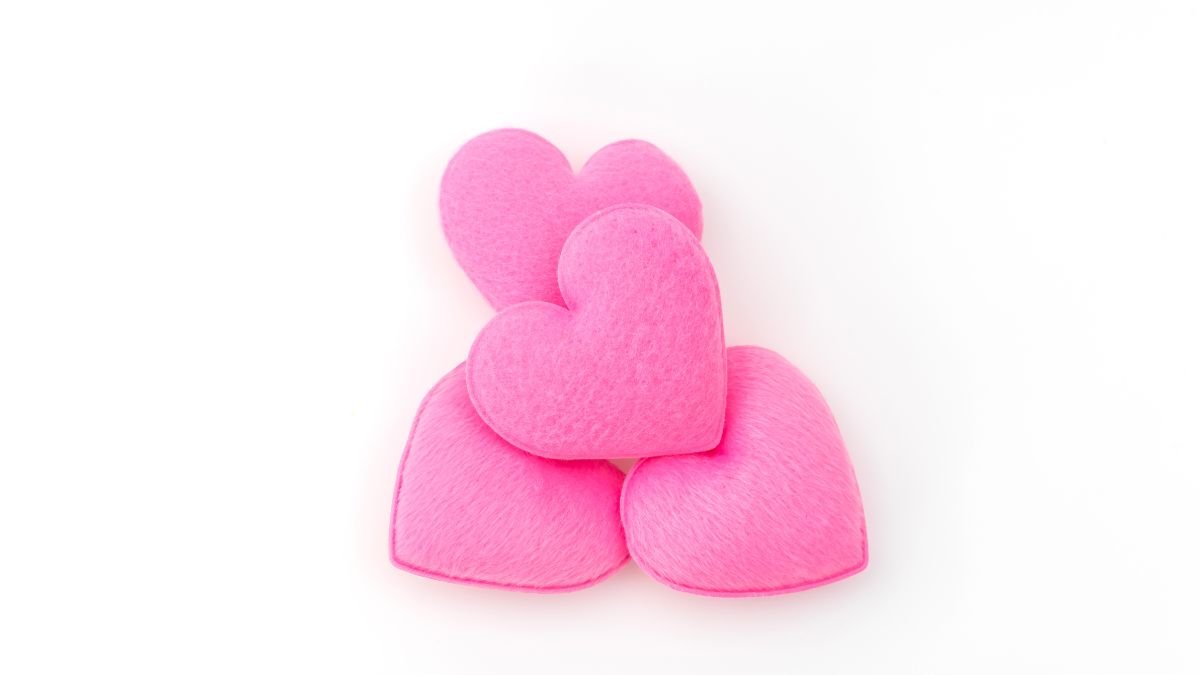
In the world of digital communication, emojis have become a powerful part of how we express emotion, mood, and tone with just a tap. Among the many hearts floating around in texts and social media, the pink heart emoji — written exactly as pink heart emoji — holds a special place. Its gentle shade and subtle vibe make it distinct from bold red hearts, black hearts, or any other colored heart. But what does the pink heart emoji really mean? How is it used? And why has it become so popular since its addition to standard emoji sets? In this article, we explore the origins, meanings, cultural significance, and best ways to incorporate the pink heart emoji in messages.
By the end of this guide, you’ll understand not only the emoji itself — but also the deeper emotional and social context behind its use.
What is the pink heart emoji?
The pink heart emoji is literally the heart symbol rendered in a soft or pastel pink hue. Its Unicode designation is U+1FA77, and it was officially added as part of Unicode 15.0 (in 2022) and made available broadly in Emoji 15.0. Emojipedia+2emojimeaning.net+2
For many years prior to that, people often requested a standalone pink heart — even though various “pink-ish” heart variants existed (like sparkling hearts, growing hearts, etc.). The addition of the plain pink-tone heart filled a noticeable gap in the heart-emoji spectrum. Emojipedia+2pinkheartemoji.pro+2
Visually, the pink heart stands out for its softness — it evokes pastel-tones, warmth, and gentleness. As such, its design suggests something different than a classic red heart. emojimeaning.net+27ESL+2
Because of its gentle visual appeal and versatility, the pink heart emoji quickly became a staple across platforms — from iOS and Android to social media, chat apps, and more. emojimeaning.net+2Emojipedia+2
Meaning and Symbolism of the pink heart emoji
While any emoji’s meaning can vary depending on context, culture, and who is using it — the pink heart emoji tends to carry certain broadly recognized connotations. Here’s a breakdown of the most common associations:
Gentle love, affection and warmth
At its core, the pink heart emoji symbolizes affection — but not the fiery, passionate kind. Rather, it conveys gentle, caring, tender love. Whether between partners in a relationship or between close friends and family members, pink hearts offer a soft, affectionate vibe. emojisblog.com+2pinkheartemoji.pro+2
Compared to the classic red heart, which often signals deep romantic love or passionate emotion, the pink heart feels more delicate and subtle — ideal when you want to communicate warmth without intensity. gioinauan.com+27ESL+2
Platonic love — friendship, care, and support
One of the most popular uses of the pink heart emoji is in platonic relationships: among friends, siblings, or family members. It helps communicate appreciation, closeness, and emotional support in a way that feels genuine yet non-romantic. gioinauan.com+2emojis.wiki+2
When you want to say “I care about you,” “I value our bond,” or “You mean a lot to me,” without necessarily implying romantic sentiment — the pink heart fits beautifully. pinkheartemoji.pro+2emojisblog.com+2
Sweetness, innocence, and softness
The color pink psychologically evokes notions of tenderness, innocence, warmth, and softness. Accordingly, the pink heart emoji resonates with those associations. It can express gentle admiration, tender feelings, or a soft emotional tone rather than bold declarations. gioinauan.com+2heartemoji.net+2
Because of this, the pink heart emoji is often used in contexts involving caring, comfort, compassion — and sometimes nostalgia, sweetness, or calm affection rather than heightened passion. emojimeaning.net+2pinkheartemoji.pro+2
Emotional support, empathy, and solidarity
In moments requiring kindness — support during tough times, empathy toward someone who is sad, love for a family member — the pink heart emoji can be a gentle way to offer comfort or solidarity. gioinauan.com+2emojis.wiki+2
Because it feels soft and caring, sending a pink heart can show “I’m here for you,” “I care,” or “You’re loved,” without needing to spell out heavy words. It works well in personal chats, social-media DMs, or messages of encouragement. pinkheartemoji.pro+2pinkheartemoji.pro+2
Aesthetic, style, and vibe — pastel, cute, and playful
Beyond emotional expression, the pink heart emoji also holds aesthetic appeal. In the age of social media, pastel themes, “soft-girl” styles, mood boards, and visually curated feeds have given the pink heart a role as a design or vibe enhancer. pinkheartemoji.pro+2Viral Rang+2
Whether users are creating a soft aesthetic on Instagram, sending a friendly “vibe check,” or simply adding cuteness to their posts, the pink heart emoji works as a subtle style tool. EmojiVerse+1
Beginning relationships or tentative feelings
Because its emotion is softer and less intense than the red heart, the pink heart emoji sometimes gets used in early-stage relationships, crushes, or budding friendships. It allows a person to express affection without overwhelming or giving the impression of deep commitment. 7ESL+2gioinauan.com+2
This subtlety makes it popular for the early phases of a relationship — or when one wants to be tentative yet warm, expressing interest or care without pushing things too far. emojis.wiki+2EmojiSymbols.net+2
How pink heart emoji differs from other heart emojis
Because there are many heart emojis — red, purple, yellow, blue, black, white — it helps to understand what sets the pink heart apart. Below is a comparison of how pink tends to differ from other colored hearts:
| Heart Color | Typical Meaning / Tone | Why Pink Is Different |
| ❤️ Red | Passion, romantic love, deep emotion | Red feels intense, bold, romantic — pink is gentler and softer |
| 💛 Yellow | Friendship, happiness, joy | Yellow is cheerful and friendly — pink adds warmth and subtle affection |
| 💙 Blue | Trust, calmness, loyalty | Blue feels calm and reserved — pink feels warm and emotionally open |
| 💜 Purple | Empathy, compassion, creativity, sometimes fandom or luxury | Purple can be more expressive or niche — pink remains universal and gentle |
| 🤍 White / 🖤 Black / 💚 Green / 🧡 Orange / etc. | Varying tones (peace, sorrow, solidarity, envy, warmth) | These hearts often carry more specific or nuanced meanings—pink stays broad, versatile, and gentle |
Because of this, the pink heart emoji often becomes the “safe” choice when you want to express warmth, love, or caring without unintended connotations. pinkheartemoji.pro+2heartemoji.net+2
Contexts and Situations Where pink heart emoji Works Well
Understanding when to use the pink heart emoji can help ensure that the tone matches your intention. Here are common contexts where it’s used — and why it shines there:
Romantic or Dating Messages — Gentler Affection
If you’re flirting, recently started dating, or simply want to send a soft “thinking of you,” the pink heart gives you a subtle, affectionate vibe without being overly intense. It implies caring, openness, and warmth — but leaves room for things to grow gradually. gioinauan.com+27ESL+2
It’s especially good in early-stage conversations where you want to show interest or fondness without pressure.
Close Friendships — Showing Appreciation and Care
Friends often use pink hearts to show appreciation, gratitude, or solidarity. Whether to say “Thank you so much,” “I’m here for you,” or simply “I love you, friend,” the pink heart can convey affection in a non-romantic way. pinkheartemoji.pro+2emojisblog.com+2
It has become a symbol of deep platonic bonds and emotional closeness among friends.
Family Communication — Warmth, Gratitude, Love
Within families, pink hearts can soften the tone of messages: “Take care 🩷,” “Miss you 🩷,” “Love you always 🩷.” It blends love, gentleness, and familiarity — often more suited than a red heart, which might feel too intense or romantic. gioinauan.com+1
It conveys affection, support, and emotional safety in a way comfortable for family contexts.
Emotional Support or Empathy — Comfort and Kindness
If someone is going through a tough time, sending a pink heart can feel thoughtful and kind. It signals care, compassion, and a gentle presence. A pink heart doesn’t overwhelm — it simply comforts. gioinauan.com+2pinkheartemoji.pro+2
Because of this, many people use it in messages of empathy, condolence, encouragement, or hope.
Aesthetic, Social Media, and Creative Expression — Style & Mood
On social media, the pink heart emoji often appears in captions, comments, or posts — especially where aesthetic vibe, “softness,” or pastel mood is desired. It pairs well with pastel visuals, cozy settings, cute art, or subtle romance. pinkheartemoji.pro+2Viral Rang+2
Design-oriented creators, influencers, or users building an online persona with softness, warmth or minimalism often leverage the pink heart for vibe.
Early-stage Romance or Flirty Chats — Subtle Interest
Because it avoids strong romantic intensity, the pink heart is popular in the early, tentative stages of romance — sending interest, warmth, or slight flirtation in a gentle way. 7ESL+2gioinauan.com+2
It helps keep tone light, friendly, and open — without the pressure or expectation that a red heart might bring.
Cultural & Social Significance of the pink heart emoji
Beyond its literal emotional connotations, the pink heart emoji reflects broader cultural and social trends around how people communicate feelings online and how online aesthetics shape identity. Here are some angles to consider:
Rise of Soft-Aesthetic & Pastel Culture
With social media platforms like Instagram, TikTok, and Pinterest promoting and popularizing “soft-aesthetic,” “pastel,” “cute,” or “cozy” visual styles — the pink heart emoji fits seamlessly into that aesthetic vocabulary. It’s not just an emotional symbol — it’s part of a visual language. pinkheartemoji.pro+1
For many younger users — especially Gen Z and Millennials — emojis aren’t only about feelings — they’re about vibe, mood, and expression. The pink heart gives them a way to visually encode softness, kindness, and gentle emotion. EmojiVerse+2pinkheartemoji.pro+2
More Nuanced Expression of Emotion
In face-to-face conversation, tone of voice, body language, or facial expressions provide nuance. Online, we lose that. Emojis like the pink heart help compensate — offering subtlety, emotional shading, and nuance.
The addition of different colored hearts — including pink — signals the increasing complexity of how we express feelings digitally. The pink heart helps fill a space between “just friendly” and “deep romantic love.”
Democratizing Emotional Expression
Because pink hearts are gentle, inclusive, and versatile, they allow a wider range of people to express care — regardless of gender, age, or relationship type. It’s less bold than red hearts, less ambiguous than other symbols.
In some cultures or communities, open expressions of love or affection may feel heavy — the pink heart offers a light, socially comfortable option.
Cross-platform and Global Communication
Since the pink heart emoji has a Unicode standard codepoint and is supported across major platforms (iOS, Android, Windows, etc.), it works reliably across devices and languages. emojimeaning.net+2Emojipedia+2
That universality makes it a useful tool in global digital communication: messages that rely on subtle emotional cues are more likely to translate well across different audiences and cultural contexts.
How to Use pink heart emoji Effectively
If you want to use the pink heart emoji in messages — whether romantic, friendly or aesthetic — here are some best practices to help you get the tone right:
Use it with subtlety: Because pink hearts convey gentle affection, you don’t need an elaborate message. A simple “Thank you 🩷” or “Miss you 🩷” already carries warmth.
Match the recipient and context: In romantic chats, early-stage dating or flirty exchanges — it’s a safe, sweet choice. Among friends or family, it’s perfect for showing care, appreciation, or support.
Combine with other emojis or words for nuance: For aesthetic posts, you might pair it with sparkles (✨), flowers (🌸), or soft emojis. For heartfelt messages, mix it with words: “I’m here for you 🩷 Always.”
Avoid in overly formal or professional contexts: In workplace emails or business chats, a heart — even a pink one — may seem unprofessional or out of place. It’s best reserved for informal, personal messaging. Viral Rang+1
Be mindful of interpretation: Because meanings can shift slightly by culture, relationship, or personal dynamics — ensure your use doesn’t unintentionally suggest romance if you mean friendship or platonic care.
Common Misunderstandings & Misuse of pink heart emoji
No symbol is immune to misinterpretation — and the pink heart can sometimes be misread, overused, or even misunderstood. Here are common pitfalls:
Assuming it always means romance: While pink hearts can be used romantically, they don’t always. Many people use them platonically — for friends or family — so don’t jump to conclusions.
Overusing it in professional or formal communication: Sending a heart in business chat may come off as too casual, unprofessional, or misinterpreted as personal affection.
Misreading cultural or generational context: Emojis may carry different associations depending on culture, age, or social circle — what feels “cute and friendly” to one may feel “intimate” to another.
Using without words — risk of vagueness: Sometimes, a heart alone might not convey enough. Without additional context or text, the meaning can be unclear — especially in important conversations.
Emoji overload — losing sincerity: When someone uses hearts too often or in too many messages, the emotional weight can fade; the pink heart can go from meaningful to background noise.
Why the pink heart emoji became so popular
Given the many existing heart emojis — red, purple, blue, yellow, etc. — why did the plain pink heart grow so fast in popularity after its release? Several factors contributed:
It filled a missing niche: Before 2022, there was no standard plain pink heart — only variants like sparkling or growing hearts. Many users wanted a simple pink heart to express soft or aesthetic vibes. Emojipedia+2emojimeaning.net+2
Soft-aesthetic and pastel culture boom: As social media embraced pastel visuals, cozy vibes, and minimalist aesthetics — the pink heart aligned perfectly with those trends. pinkheartemoji.pro+2Viral Rang+2
Generational preference for nuance and subtlety: Many younger users appreciate gentle emotion, nuanced communication, and non-verbal cues. The pink heart offers a subtle, versatile emotional symbol.
Flexibility across relationships and moods: Because it works for romantic, friendly, family, and aesthetic contexts alike, the pink heart became a go-to for many people — easy to adapt and unlikely to misfire dramatically.
Cross-platform support and universal design: As part of Unicode 15.0, the pink heart shows up across devices and apps, giving it reliability and ensuring that messages render as intended for different users. Emojipedia+2emoji.family+2
As a result, the pink heart emoji quickly rose to become one of the most used heart emojis — recognized, understood, and appreciated by a wide range of users worldwide.
How people use pink heart emoji in real life
To better illustrate the versatility and tone of the pink heart emoji, here are some common examples and scenarios:
Friends texting: “Had such a fun night! 🩷” — conveys warmth, happiness, and friendly closeness.
Social media caption: “Cozy Sunday vibes ☕🩷 #SoftMorning” — for aesthetic or mood-setting posts.
Support message: “I’m here for you, whatever you need 🩷” — offering empathy, comfort, or solidarity.
Dating/flirty context: “Can’t wait to see you again 🩷” — soft and affectionate, but not overly intense.
Family chat: “Love you always, Mom 🩷” — gentle affection and warmth.
Creative art/design posts: Using 🩷 in combination with pastel-coloured visuals, aesthetic quotes, or soft-tone content.
These examples show how flexible the pink heart emoji is — capable of adapting to emotional tone, relationship type, and conversational intent.
The pink heart emoji in pop culture and digital trends
As emojis have become woven into digital culture, the pink heart has gained popularity not just as a means of communication — but also as a style and identity marker.
On platforms like social media, the pink heart often appears in “aesthetic” or mood-driven posts: pastel collages, soft-colored visuals, cozy themes, minimal-design feeds. For many users, the pink heart isn’t just an emotion — it’s part of the vibe. pinkheartemoji.pro+2Viral Rang+2
In conversations among younger audiences, the pink heart can serve as a gentle statement of identity, emotional openness, or belonging to a certain online subculture that values softness, kindness, and emotional nuance. EmojiVerse+1
Because it avoids the intensity of passionate love or heavy romance, the pink heart makes digital communication more inclusive — accommodating friendships, family bonds, platonic love, self-expression, and aesthetic sensibilities.
In short, the pink heart emoji has become more than a symbol of affection — it’s also a cultural tool, a design element, and a mode of emotional expression in the digital age.
Potential Pitfalls or Things to Be Careful About
While the pink heart emoji offers many advantages, it’s not without possible downsides or misunderstandings. Here are some cautions:
Because it’s soft and gentle, some people may interpret it as “just friends” even if the sender intends romance — especially in cross-cultural or cross-gender conversations.
Overuse can dilute its meaning. If someone uses hearts constantly, messages may lose emotional weight or sincerity.
In professional or formal contexts, heart emojis (including pink) can appear unprofessional, overly casual, or emotionally ambiguous.
Context matters heavily: without accompanying words, a pink heart alone might confuse or be misinterpreted. Always consider the relationship, tone, and platform before sending.
Why understanding emoji nuance matters — beyond the “just a heart”
In digital communication, especially in texting, chats, and social-media, subtlety and tone often get lost. Without facial expressions, vocal tone, or body language, we risk miscommunication. Emojis — especially nuanced ones like the pink heart — help restore some of that emotional subtlety.
Symbols like the pink heart help us convey kindness, warmth, care, love, support, aesthetic mood, and emotional nuance — all with a simple tap. They allow for emotional expression that transcends language, culture, and even geography.
Understanding the meanings and context behind emojis also helps avoid unintended misinterpretation. A heart isn’t always a “promise,” nor a blush always “commitment.” With a bit of awareness, we can use these digital symbols responsibly and meaningfully.
Conclusion
The pink heart emoji — as written, pink heart emoji — stands out in the crowded world of emojis for its gentleness, warmth, and versatility. It conveys love, affection, friendship, support, and aesthetic vibe — often more subtly than a red heart.



Leave a Reply